Black friday 75% Off:
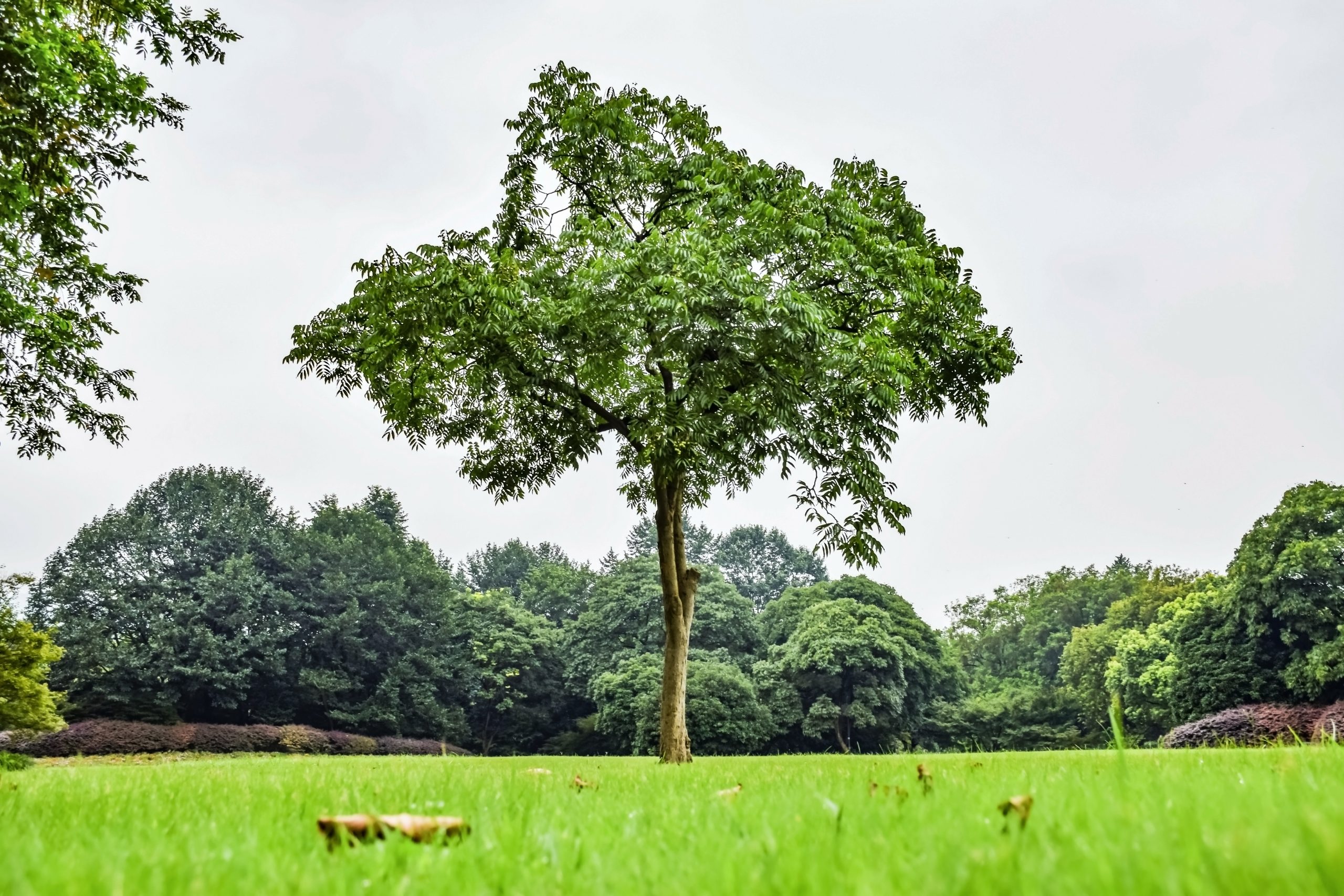
Village Tree: The Heart of Rural Life, Culture, and Sustainability
A village tree is more than just a plant growing in the middle of a rural settlement. It is a silent witness to generations, traditions, celebrations, and everyday village life. From providing shade to shaping social bonds, village trees play a powerful role in rural ecosystems and human culture alike.
In many villages across India and around the world, a single large tree becomes the center of community life, storytelling, decision-making, and environmental balance.
What Is a Village Tree?
Why is a village tree important in rural communities?
A village tree refers to a prominent tree often centuries old located in the heart of a village or common land. These trees are typically banyan, neem, peepal, or mango trees, chosen naturally over time due to their size, shade, and usefulness.
Village trees are important because they:
-
Act as natural meeting spaces
-
Provide shelter from heat and rain
-
Support local biodiversity
-
Hold cultural and spiritual value
-
Strengthen environmental sustainability
tree in village life, rural trees, common village tree, traditional village tree
Types of Trees Commonly Found in Villages
Which trees are most commonly seen in villages?
Different regions favor different species, but some trees are universally associated with village life.
Banyan Tree (Ficus benghalensis)
The banyan tree is often considered the king of village trees.
-
Massive canopy offering wide shade
-
Long lifespan, sometimes over 300 years
-
Used as meeting points and rest areas
Neem Tree (Azadirachta indica)
Known for its medicinal benefits:
-
Improves air quality
-
Used in traditional medicine
-
Acts as a natural insect repellent
Peepal Tree (Ficus religiosa)
Highly respected for spiritual reasons:
-
Considered sacred in many cultures
-
Improves oxygen levels
-
Often planted near temples or village centers
Mango Tree
A blend of utility and tradition:
-
Provides fruit and income
-
Used in festivals and rituals
-
Supports birds and wildlife
neem tree benefits, banyan tree in village, peepal tree significance, mango tree rural
Cultural Significance of Village Trees
Why are village trees culturally important?
Village trees are deeply woven into rural traditions and beliefs. They are often associated with folklore, festivals, and rituals passed down through generations.
In many villages:
-
Ceremonies are performed under the tree
-
Elders gather to resolve disputes
-
Stories and folk songs originate beneath its shade
Some trees are even worshipped, believed to house protective spirits or divine energy.
tree worship in villages, cultural importance of trees, sacred village trees
Role of Village Trees in Daily Life
How do village trees support everyday village activities?
Village trees function as natural community halls.
They are used for:
-
Morning gatherings and evening chats
-
Children’s play areas
-
Local markets or announcements
-
Resting spots for farmers and travelers
For farmers returning from the fields, the shade of a village tree offers comfort and connection.
life in village, rural community space, village meeting place
Environmental Benefits of Village Trees
How do village trees help the environment?
Village trees play a critical role in maintaining ecological balance.
Air and Climate Regulation
-
Absorb carbon dioxide
-
Release oxygen
-
Reduce heat in rural areas
Soil and Water Conservation
-
Prevent soil erosion
-
Improve groundwater recharge
-
Protect farmlands during heavy rains
Wildlife Support
-
Shelter for birds and animals
-
Maintain pollination cycles
-
Encourage biodiversity
environmental benefits of trees, rural ecosystem, village biodiversity
Village Trees and Sustainability
Can village trees support sustainable living?
Yes, village trees are essential for sustainable rural development.
They contribute by:
-
Providing natural resources without industrial impact
-
Supporting organic farming practices
-
Reducing dependency on artificial infrastructure
In many eco-friendly villages, preserving old trees is a priority for long-term sustainability.
sustainable villages, eco-friendly rural life, tree conservation
Threats Facing Village Trees Today
Why are village trees disappearing?
Despite their importance, village trees face growing threats such as:
-
Urban expansion
-
Road and construction projects
-
Deforestation
-
Lack of awareness
Modernization often overlooks the long-term value of these trees, leading to irreversible loss.
deforestation in villages, loss of rural trees, environmental challenges
How Can We Protect Village Trees?
What steps can be taken to preserve village trees?
Protecting village trees requires collective effort.
Community Awareness
-
Educate villagers about environmental benefits
-
Promote tree heritage programs
Government and Local Support
-
Legal protection for ancient trees
-
Sustainable village planning
Individual Responsibility
-
Avoid cutting trees unnecessarily
-
Participate in tree-planting drives
-
Encourage younger generations to value nature
tree protection, village conservation, save trees movement
Village Trees in the Modern World
Do village trees still matter today?
Absolutely. Even in a fast-changing world, village trees remain symbols of balance, peace, and connection with nature.
They remind us that:
-
Growth does not require destruction
-
Nature and development can coexist
-
Roots matter both literally and culturally
Village trees continue to inspire artists, writers, and environmentalists worldwide.
importance of trees today, rural heritage, nature and tradition
Frequently Asked Questions About Village Trees
What is the most common village tree in India?
The banyan and neem trees are the most commonly found village trees in India.
Why do villages gather under trees?
Trees provide shade, comfort, and a neutral communal space for discussion and bonding.
Are village trees protected by law?
Some regions protect ancient or sacred trees, but many still lack formal legal safeguards.
Final Thoughts: The Soul of the Village
A village tree is not just part of the landscape it is the soul of rural life. It connects people to nature, history, and each other. Preserving village trees means preserving culture, sustainability, and a way of life that values harmony over haste.
At themomentree.com, celebrating trees is about honoring moments, memories, and the timeless bond between humans and nature.
Christmas Tree Shelves For Village, Under The Tree Christmas Village, Wood Tree For Christmas Village